
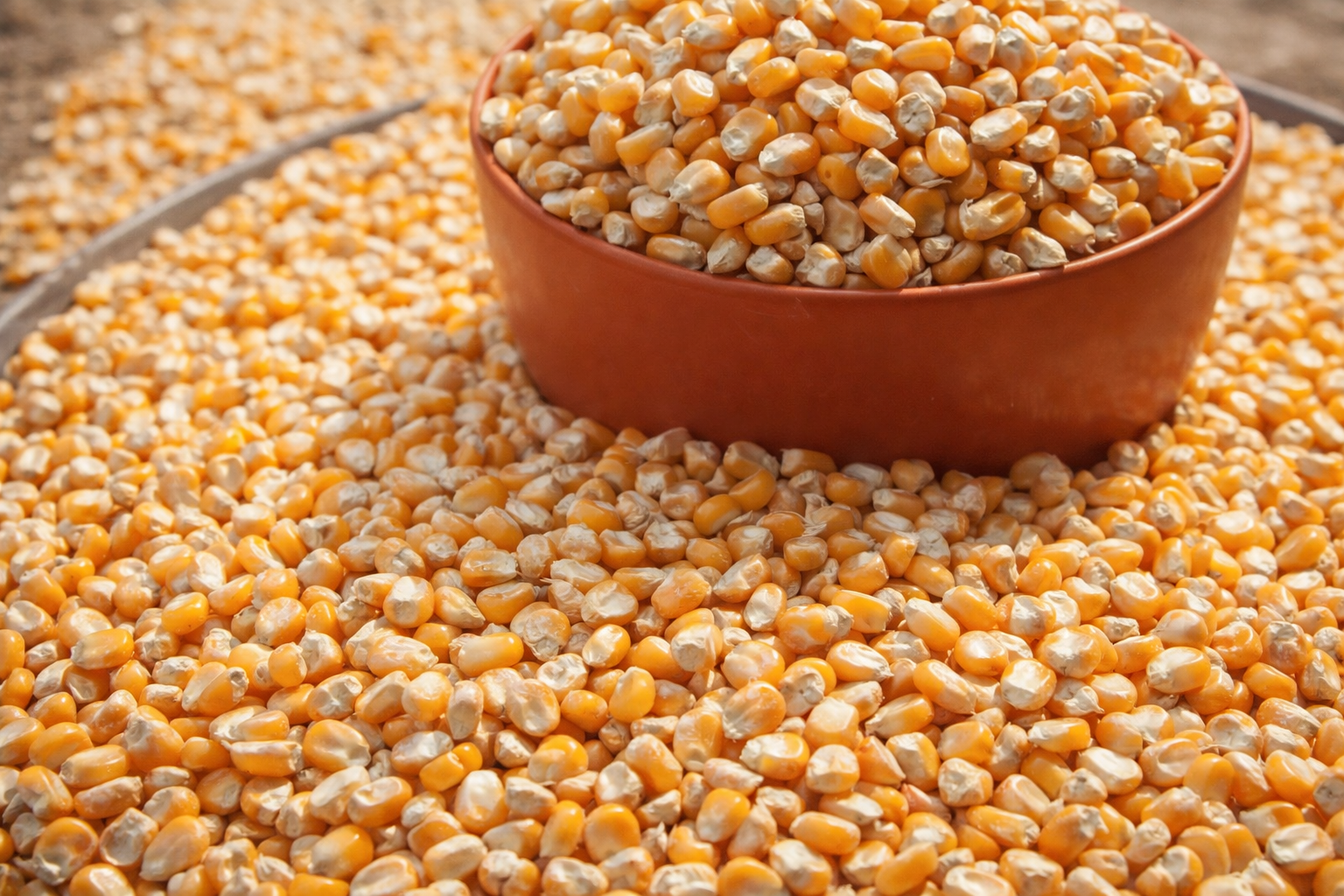
Corn, scientifically known as Zea mays, is one of the most important crops in the global agricultural economy. It is widely used in human food, animal feed, industrial processing, and biofuel production. Due to its versatile nature, corn is available in several varieties, each serving a specific purpose in the international market.
At Pravah Exports, we supply high-quality Indian Yellow Maize and other corn varieties to international buyers for feed and industrial applications. Understanding the different types of corn helps suppliers, traders, and importers choose the right product for their requirements.
In this guide, we explore the major corn varieties, their characteristics, and their importance in global trade.
Understanding the Importance of Corn Varieties
Different corn varieties are cultivated to meet specific industry demands. Some varieties are used for animal feed, while others are used for food processing, starch production, sweeteners, ethanol, and industrial products.
For exporters and suppliers, understanding these varieties ensures:
- Better product selection for buyers
- Improved supply chain management
- Consistent quality in international trade
As a trusted maize supplier, Pravah Exports focuses on sourcing premium-quality maize that meets global standards.
Yellow Corn Varieties: The Most Widely Traded Corn
Among all corn varieties, yellow corn (yellow maize) is the most widely produced and traded variety in the world. Its high energy value, starch content, and versatility make it suitable for multiple industries.
Why Yellow Corn Dominates the Market
Yellow maize is widely used for:
- Animal and poultry feed
- Corn starch production
- Corn oil extraction
- Biofuel and ethanol production
- Food products like cornmeal and corn flour
Because of these applications, yellow corn remains one of the most demanded agricultural commodities globally.
At Pravah Exports, we supply export-quality yellow maize that meets international feed industry requirements.
Key Characteristics of Yellow Corn Varieties
Different yellow corn varieties may vary in:
- Starch content
- Sugar content
- Moisture levels
- Kernel size and color
Some varieties are best suited for feed production, while others are ideal for industrial processing.
Understanding these differences allows suppliers like Pravah Exports to match the right corn variety with the right industry.
Yellow Corn for Animal Feed Industry
One of the largest uses of yellow maize is in animal nutrition. Livestock, poultry, and aquaculture industries rely heavily on maize as a primary energy source.
Benefits of yellow corn in animal feed:
- High energy content
- Good digestibility
- Consistent nutritional value
- Cost-effective feed ingredient
Feed manufacturers worldwide depend on reliable suppliers of high-quality yellow maize, making maize export an important segment of the global feed market.
Indian Yellow Maize: A Growing Export Commodity
India has become an important producer and exporter of yellow maize due to its favorable agro-climatic conditions.
Key advantages of Indian maize:
- Competitive pricing
- Large production capacity
- Suitable quality for feed industries
- Strong export supply chain
Pravah Exports works closely with trusted sourcing partners to deliver premium Indian maize to international buyers.
Our maize is widely used in:
- Poultry feed
- Livestock feed
- Industrial processing
Other Corn Varieties in the Global Market
While yellow maize dominates global trade, several other corn varieties serve specialized purposes.
White Corn
White corn is commonly used in:
- Corn flour
- Tortillas
- Food processing
It has a milder taste and is preferred in many food products.
Blue Corn
Blue corn is considered a nutrient-rich specialty grain and is often used in:
- Specialty food products
- Organic markets
- Traditional foods
Red Corn
Red corn is less common but valued for its unique pigments and antioxidant properties.
Specialty Corn
Specialty corn varieties include:
- Baby Corn
- Popcorn
These varieties are used mainly in the food processing industry.
Choosing Reliable Corn Suppliers in India
Selecting the right supplier is essential for maintaining consistent product quality.
A reliable corn exporter should ensure:
- Proper quality inspection
- Controlled moisture levels
- Clean and graded maize
- Export-compliant documentation
At Pravah Exports, we focus on maintaining strict quality standards to meet international buyer requirements.
Quality Control and Ethical Sourcing
Quality control is crucial in the maize export business. Proper sourcing, storage, and transportation ensure that maize maintains its nutritional value and quality.
At Pravah Exports, we prioritize:
- Machine-cleaned maize
- Moisture-controlled storage
- Reliable logistics
- Transparent trade practices
These practices help ensure consistent supply to international buyers.
The Future of Corn in Global Trade
The demand for maize continues to grow due to increasing needs in:
- Animal feed industries
- Biofuel production
- Food processing
- Industrial applications
As global demand rises, exporters must adapt to new technologies, sustainable farming practices, and efficient logistics systems.
Companies like Pravah Exports aim to contribute to the global maize supply chain by providing reliable sourcing and quality-focused exports.
Conclusion
Corn remains one of the most important agricultural commodities in the world. From yellow maize used in animal feed to specialty corn varieties used in food processing, the crop plays a crucial role across multiple industries.
For importers, traders, and feed manufacturers, understanding corn varieties helps in selecting the right product for their needs.
At Pravah Exports, we are committed to supplying high-quality Indian maize and corn products to global markets with consistent quality and professional export practices.
As the global maize trade continues to grow, reliable suppliers like Pravah Exports will remain key partners for international buyers.